The Specialty Occupation Requirement and the Vetting of Corporate Finance Roles
The US corporate sector relies heavily on highly skilled financial professionals to manage complex regulatory filings and steer long-term growth. To secure these elite talents from the global labor market, sponsoring enterprises utilize the H-1B non-immigrant visa category to onboard qualified accountants and financial analysts.
This highly competitive program is governed by strict federal mandates that verify both candidate qualifications and employer compliance. The primary barrier to entry is demonstrating that the offered corporate role constitutes a specialty occupation that demands advanced theoretical knowledge.
Quick Overview of the H-1B Finance and Accounting Placement Landscape
Navigating the US recruitment market as an international finance professional requires a strategic understanding of both salary standards and corporate hiring trends. Sponsoring corporations regularly list open positions on specialized databases and direct-hire platforms to connect with qualified expat candidates.
These roles routinely offer lucrative annual compensation ranging from eighty-five thousand to one hundred and fifteen thousand dollars. This standard six-figure salary band reflects the high-value technical contributions made by global professionals to American enterprises.
The Critical Distinction of Specialty and Non-Specialty Designations
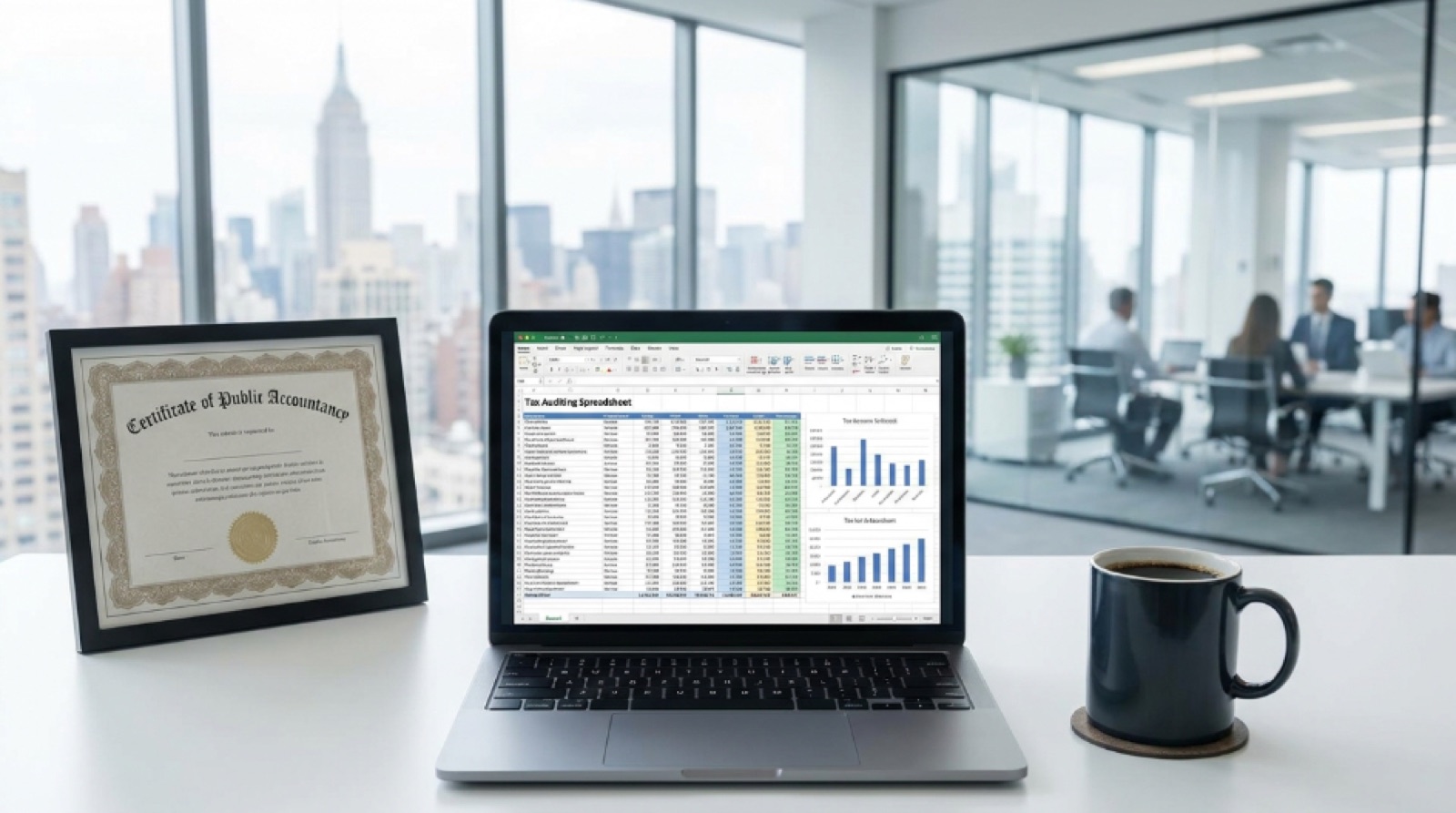
Under the Immigration and Nationality Act, a specialty occupation requires the theoretical and practical application of highly specialized knowledge. Sponsoring employers must prove that the candidate possesses at least a US bachelor’s degree or its foreign equivalent in a directly related field.
Prospective applicants can review the complete eligibility guidelines and statutory definition of these specialty roles on the official USCIS H-1B Specialty Occupations Portal registry. Sponsoring builders of these petitions must demonstrate that the job is so complex or unique that only a degreed professional can perform it.
CPA Licensures, Senior Audit Roles, and USCIS Clearance Trends
Sponsoring public accounting firms find the highest rates of visa approvals when petitioning for licensed Certified Public Accountants. Sponsoring organizations routinely secure approvals for senior auditors, tax managers, and corporate controllers due to the undeniable complexity of their duties.
These specialized roles require professional licensure and advanced knowledge of GAAP, establishing a clear specialty classification. Sponsoring enterprises can easily demonstrate to federal adjudicators that these elite roles require specialized degrees.
The Complex Case of General Staff Accountants and Borderline Petitions
General staff accountant positions that do not require professional licensure exist in a challenging borderline category for immigration sponsorship. Sponsoring employers must draft highly detailed job descriptions to prove that the day-to-day duties require specialized academic training.
The federal government frequently issues requests for evidence, arguing that general accounting duties can be performed by individuals with generic business degrees. Sponsoring organizations must actively combat this argument by demonstrating the unique technical demands of their specific financial systems.
Federal Prevailing Wage Structures and Regional Labor Protections
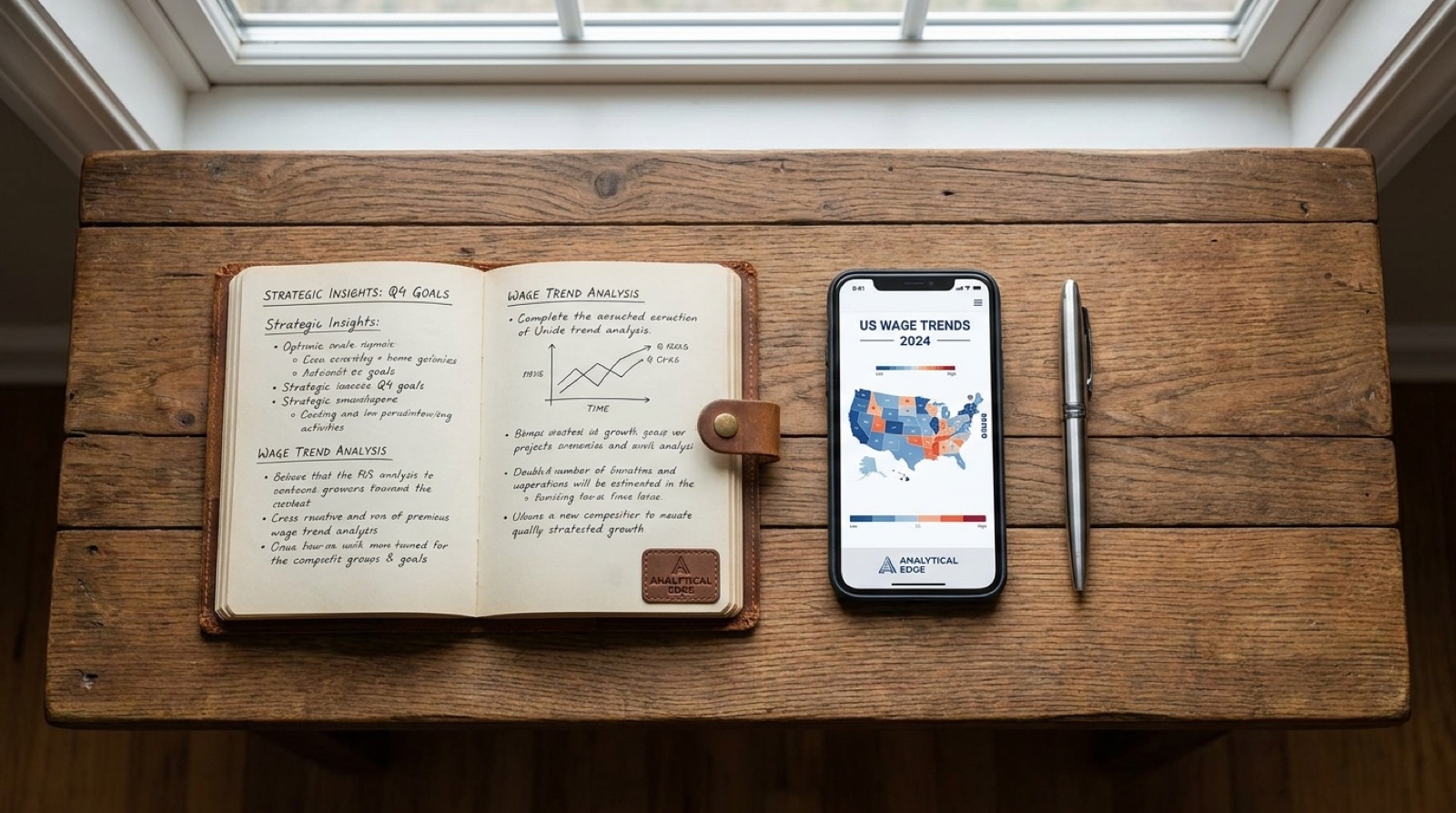
The Department of Labor enforces strict wage protections to ensure that hiring foreign workers does not adversely affect US salaries. Sponsoring organizations are legally required to pay their H-1B personnel the prevailing wage rate or the actual wage paid to similar employees, whichever is higher.
Sponsoring employers can review localized salary minimums and wage calculation guidelines on the official US Department of Labor H-1B Program Guidelines portal. These legally protected wage floors prevent corporations from undercutting localized market rates to exploit international talent.
Department of Labor Wage Tiers and Localized Salary Minimums
The prevailing wage for an accountant or financial analyst is highly dependent on both the standard occupational classification and the geographic work location. Sponsoring employers can utilize the Online Wage Library to determine the applicable salary floor for their specific county and state.
Sponsoring firms in major metropolitan areas like New York or San Francisco face significantly higher wage floors due to competitive localized market rates. This geographical variation ensures that international workers receive salaries that accurately reflect local living costs.
Labor Condition Applications and Employer Compliance Mandates
The Labor Condition Application serves as the foundational compliance document for the entire H-1B visa petition. Sponsoring employers must certify that they will pay the required wage, provide safe working conditions, and notify local staff of the filing.
Sponsoring organizations must file this document electronically through the federal Foreign Labor Certification portal. This mandatory step must be successfully completed before any petition can be submitted to the immigration service.
Sourcing Pre-Approved Employers and Active Placement Registries
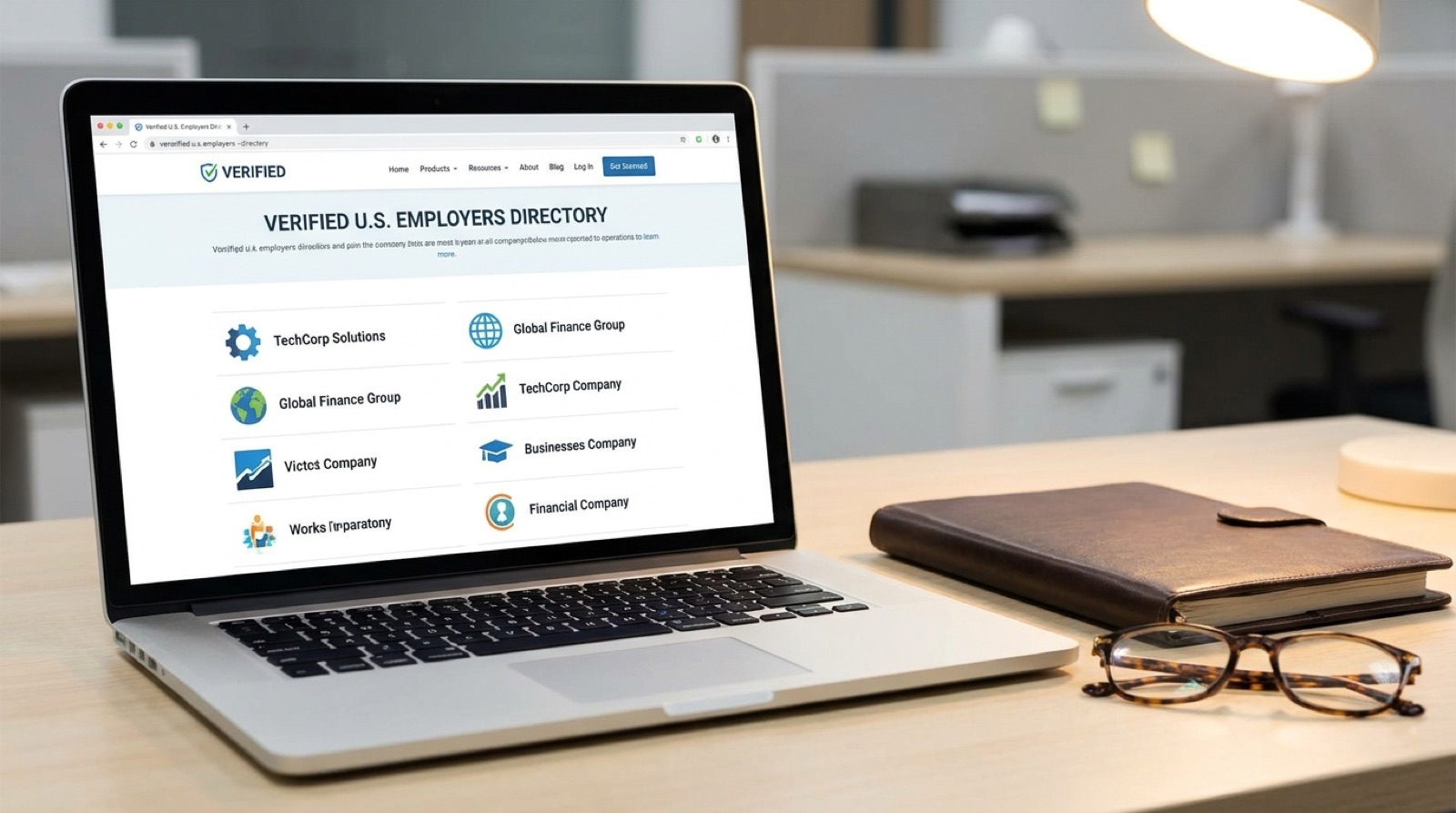
International job seekers can optimize their search by targeting US companies that possess a verified history of filing successful immigration petitions. Sponsoring employers regularly list open positions and review applicant profiles on specialized international recruitment databases.
Sponsoring firms with established immigration programs can easily manage the technical and administrative steps of the H-1B lottery. Identifying these pre-approved sponsors drastically increases your chances of securing a sponsored corporate career.
Direct Recruitment Directories and Big Four Corporate Sponsorship Programs
The Big Four professional services firms represent some of the most active and reliable H-1B sponsors in the United States financial sector. Sponsoring organizations like Deloitte, PwC, EY, and KPMG maintain highly structured global mobility programs that onboard hundreds of international professionals annually.
Job seekers can browse active vacancies and identify verified corporate sponsors on the specialized Migrate Mate H-1B Accounting Directory platform. Sponsoring technology firms also represent premier targets, and applicants can analyze these filings on the Migrate Mate Financial Analyst Sponsor Registry database.
Essential Practical Inquiries for Sponsoring Corporate Finance Immigrants
Do I need a certified US CPA license to qualify for an H-1B accounting visa?
No, you do not need a US CPA license to qualify for an H-1B visa, but possessing one strengthens your petition significantly. Sponsoring employers can secure visa approvals for unlicensed staff accountants by demonstrating that the position requires a specialized accounting degree.
What is the typical processing timeline for an H-1B finance visa application?
The standard processing timeline for an H-1B visa typically ranges from three to six months after the lottery selection. Sponsoring employers must coordinate with legal teams to file the registration in March and submit the petition in April.
How does the Department of Labor determine my minimum required salary?
The Department of Labor determines your minimum required salary by issuing a certified prevailing wage based on your specific job duties. Sponsoring corporations must match the offered salary with the average wage paid to similarly employed professionals in that specific county.
Can my spouse and children legally join me in the United States under H-1B status?
Yes, your immediate family members can accompany you to the United States as derivative beneficiaries under H-4 non-immigrant status. Sponsoring employers can include your legally married spouse and unmarried children under twenty-one years of age on your initial petition.
How many years can an accountant legally remain in the United States on an H-1B visa?
An accountant can legally remain in the United States on an H-1B visa for an initial period of up to three years. Sponsoring employers can easily secure a one-time extension to allow a maximum continuous stay of six years.
Establishing a Highly Successful Corporate Finance Career in the United States
Securing a sponsored corporate finance career in the United States represents an exceptionally rewarding professional milestone for international accountants and analysts. Sponsoring employers provide highly competitive salaries, advanced technical resources, and clear career progression to ensure high organizational standards on their teams.
Achieving your relocation goals requires proactive planning, careful credential compilation, and targeted alignment with certified employer sponsors. Sponsoring organizations actively seek candidates who demonstrate strong technical skills, professional certifications, and a commitment to operational excellence.