The Critical Demand for International Labor in the American Agricultural Sector
The United States agricultural industry faces a persistent local workforce deficit that threatens harvest cycles and seasonal crop yields across the nation. To secure the continuity of vital food supply chains, American farmers and agricultural enterprises look to the global labor market for experienced seasonal support.
This legal transition is managed through a highly structured federal guest-worker program that permits international citizens to enter the country for temporary placements. Sponsoring organizations must align their operations with rigid Department of Labor rules to ensure fair recruitment practices and safe working conditions.
Quick Overview of the United States Temporary Farm Work Framework
The seasonal guest-worker program provides a streamlined and legally compliant mechanism for non-immigrant agricultural workers to enter the United States. Sponsoring employers must prove that local recruiting efforts failed to yield sufficient domestic workers before initiating foreign petitions.
Approved applicants receive temporary visas that are tied directly to the sponsoring employer for the duration of the agricultural contract. This program contains no annual numerical caps, allowing agricultural businesses to scale their seasonal workforces according to localized production needs.
The Dual-Skill Compensation Framework and Localized Wage Standards
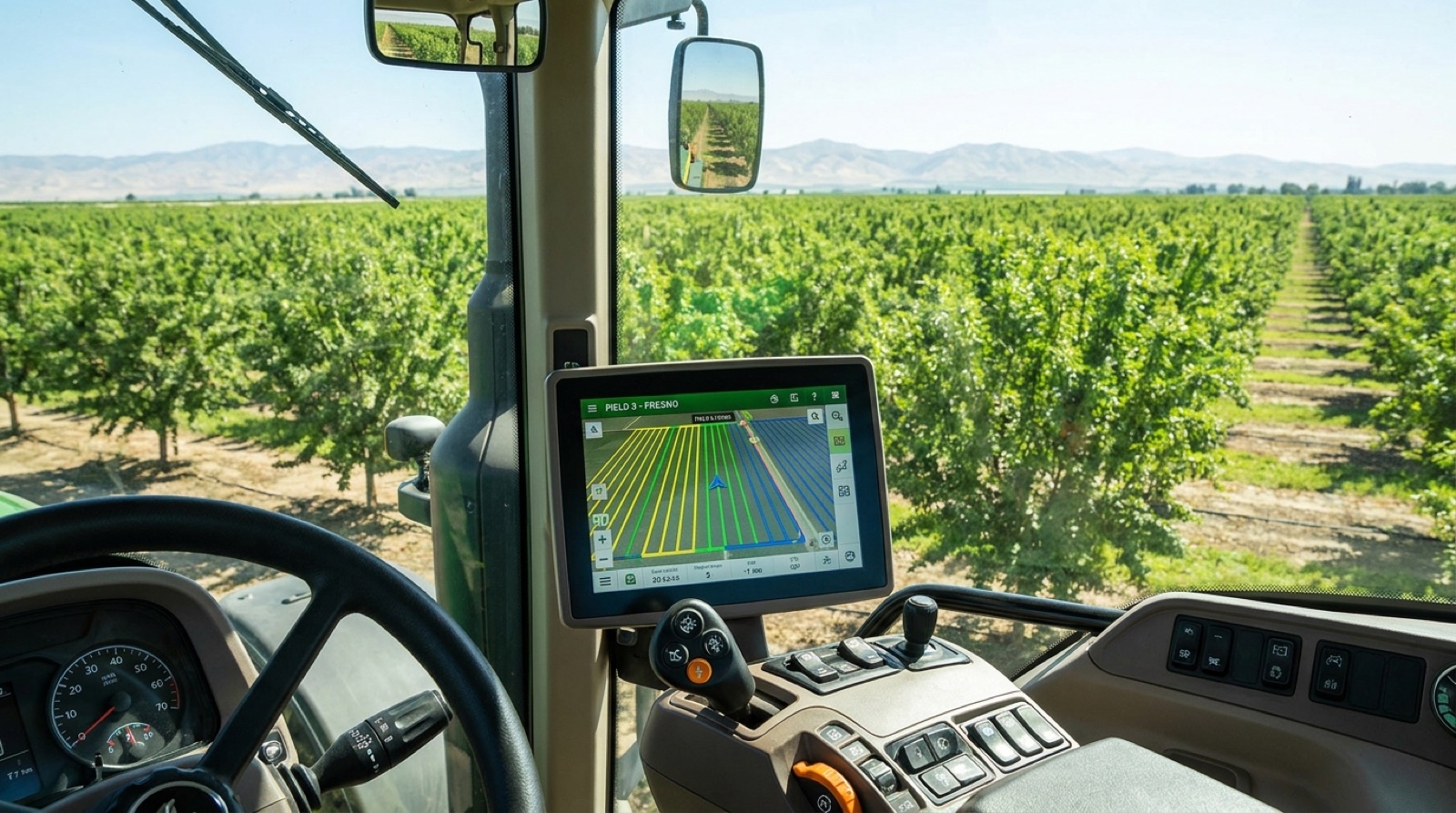
To prevent the depression of domestic wage rates, the federal government enforces strict minimum compensation standards for all guest-worker contracts. Sponsoring enterprises are legally required to pay their guest workers a special localized wage floor determined by agricultural authorities.
These protective rates vary significantly across different states and territories, reflecting regional differences in living costs and economic conditions. Sponsoring employers must ensure that the offered cash wage meets or exceeds these certified minimums throughout the contract.
Federal Adverse Effect Wage Rates and Skill Tiers
The Department of Labor determines these minimum rates through the certified H-2A Adverse Effect Wage Rates (AEWRs) | Flag.dol.gov registry, which is updated periodically. Under the current methodology, wage rates are divided into two distinct skill tiers based on the technical complexity of the required tasks.
Skill Level I covers general entry-level farm labor such as planting, weeding, and hand-harvesting crops under close supervision. Conversely, Skill Level II applies to more complex technical roles, including agricultural equipment operators, crew supervisors, and certified pesticide applicators.
The Optional Housing Cash Adjustment and Labor Cost Savings
Sponsoring enterprises that provide fully compliant accommodations without charge can apply an optional downward cash wage adjustment under specific conditions. This modern regulatory mechanism helps agricultural businesses offset the high capital expenses associated with establishing clean employee lodging.
Employers must calculate these housing offsets carefully to ensure total compensation packages comply with localized department guidelines. Failing to maintain perfect alignment with these complex calculations can result in immediate compliance audits and severe wage-and-hour penalties.
Rigid Employer Obligations for Clean and Safe Guest Accommodations
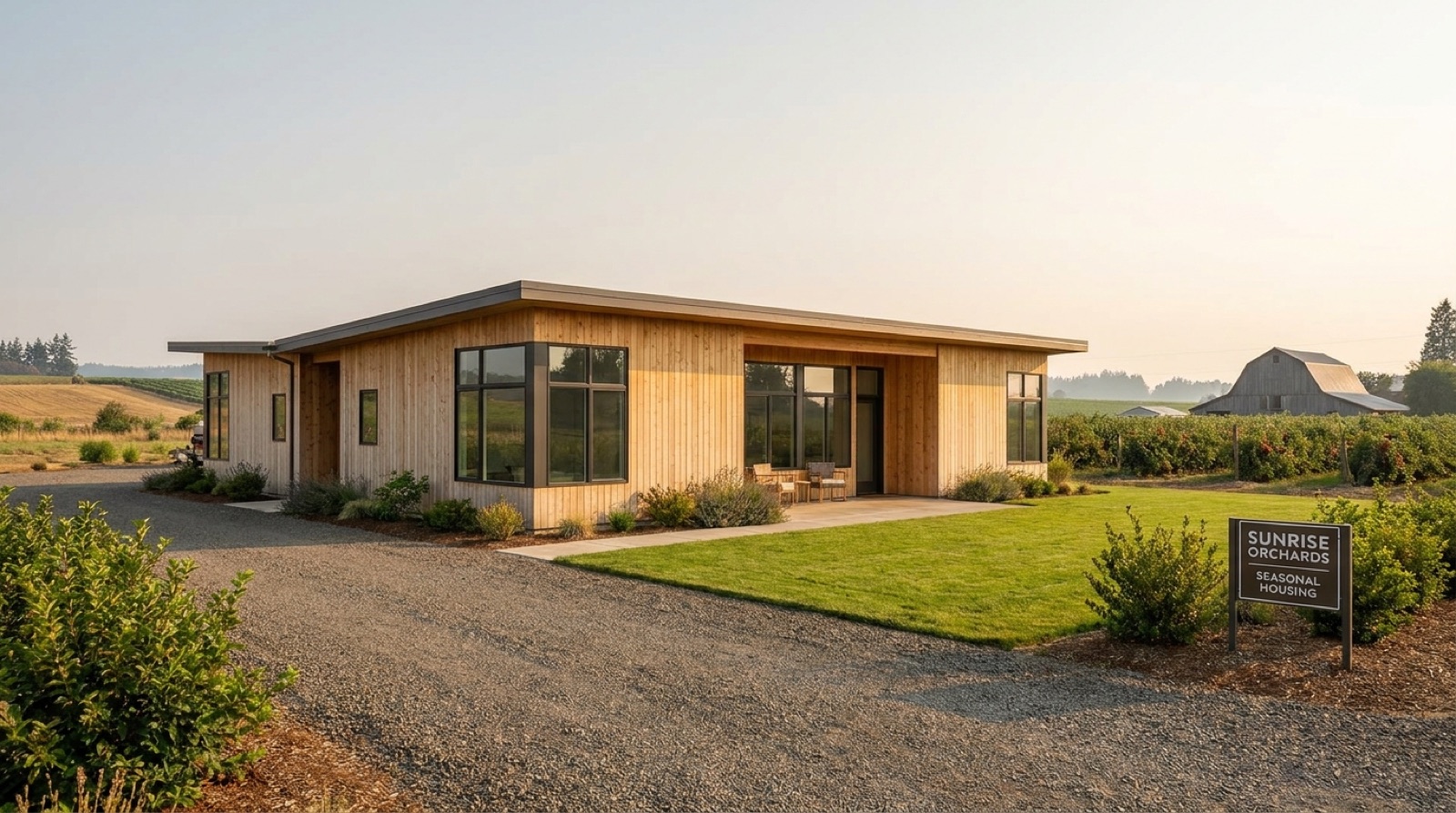
One of the most significant regulatory features of the seasonal program is the mandatory provision of cost-free employee housing. Sponsoring organizations must supply fully equipped accommodations to all sponsored workers who cannot reasonably return home daily.
This mandatory benefit represents a substantial financial safeguard for international workers, eliminating the stress of navigating tight local rental markets. Sponsoring employers are also responsible for coordinating safe, daily commuting transportation between the lodging and the fields.
Federal Housing Inspection Standards and Rental Regulations
Sponsoring employers must ensure that all provided guest lodging complies fully with the rigorous safety and health standards detailed in the official Fact Sheet #26G: H-2A Housing Standards for Rental and Public Accommodations | U.S. Department of Labor guidelines. These comprehensive standards govern essential sanitary factors, including clean water systems, adequate heating, proper ventilation, and structural integrity.
Local State Workforce Agencies must conduct physical, on-site inspections of the proposed lodging facilities before any visa petitions can be approved. Sponsoring organizations must maintain their facilities in pristine condition to pass these mandatory pre-filing safety evaluations.
Complete Prohibitions on Security Deposits and Wage Deductions
Federal regulations strictly prohibit sponsoring employers from imposing any housing-related financial burdens on their seasonal personnel. Sponsoring organizations cannot legally charge security deposits, cleaning fees, or utility surcharges to international agricultural workers.
Employers are also barred from executing any wage deductions to recover the administrative or maintenance costs of the provided lodging. This strict protection guarantees that the housing benefit remains completely free of charge, protecting the financial interests of guest workers.
A Chronological Administrative Timeline for Sponsoring Agricultural Hires
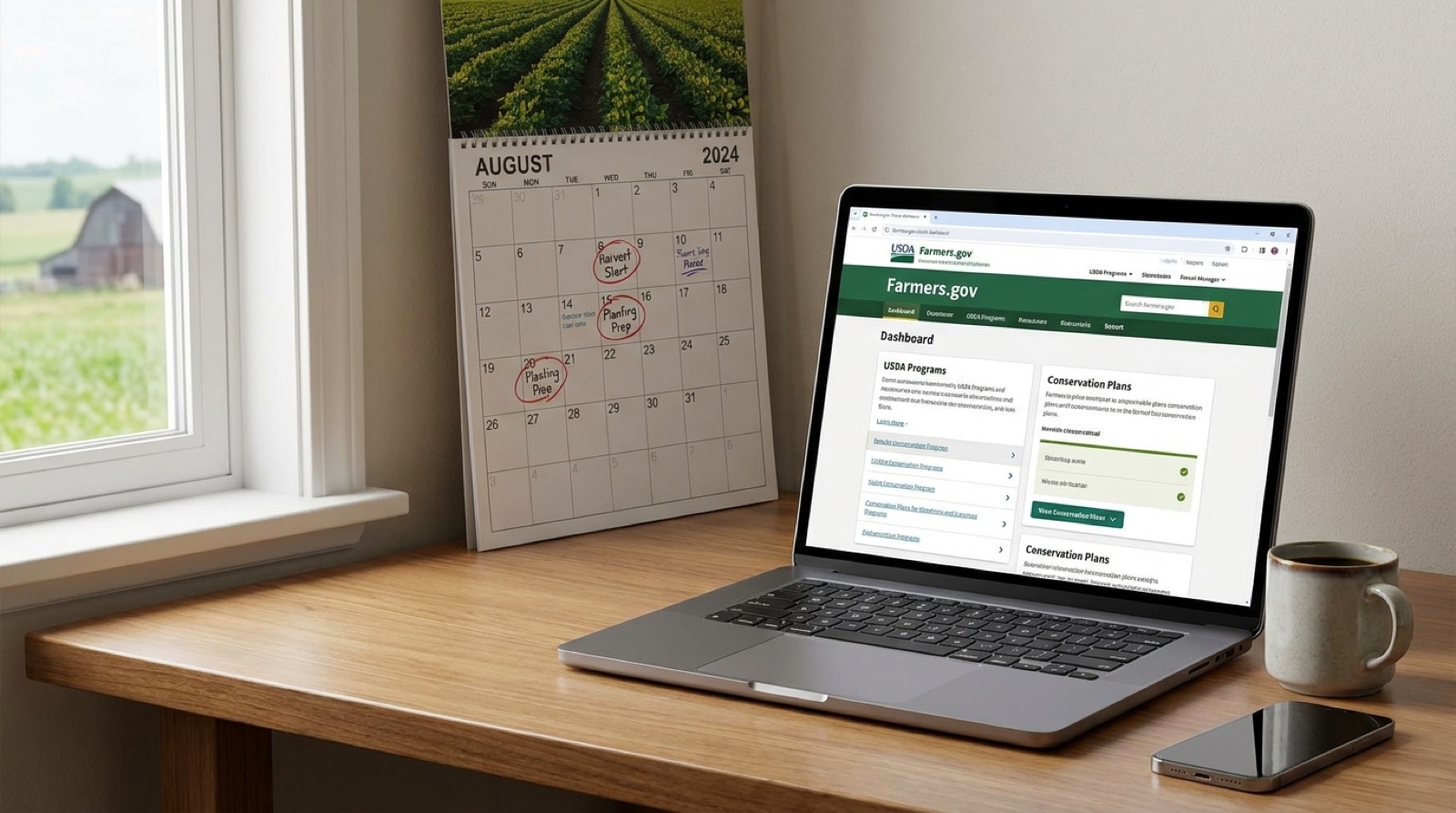
Navigating the administrative steps of the guest-worker program requires careful planning and strict adherence to federal timelines. Sponsoring employers must coordinate with multiple government agencies to secure their temporary labor clearances before the seasonal contract commences.
Prospective applicants must monitor active job vacancies and align their technical records with the seasonal schedules of sponsoring farms. This proactive approach remains the most effective strategy to secure placement with verified, legally compliant agricultural enterprises.
Pre-Filing Localized Recruitment and SWA Inspection Stages
The administrative journey begins approximately seventy-five to ninety days before the agricultural contract is scheduled to start. Sponsoring employers must file a comprehensive job order and launch a localized recruitment campaign through the H-2A Visa Program For Temporary Workers | Farmers.gov portal.
This phase also includes the mandatory coordination of the SWA physical housing inspections to verify the safety of the proposed accommodations. Sponsoring organizations must resolve any identified facility deficiencies immediately to prevent costly administrative delays.
USCIS Visa Petition Submissions and Consular Clearance Gates
Once the Department of Labor certifies the temporary labor application, the sponsoring employer submits a formal visa petition to the immigration service. Applicants can review the length of stay regulations and filing rules on the official Research report: The H-2A Agricultural Visa Program 2026 Guide registry.
Approved candidates must then attend a mandatory consular interview in their home country to secure their temporary entry stickers. Sponsoring organizations often assist their incoming crews by coordinating travel logistics and arranging safe transport to the United States worksite.
Essential Practical Inquiries for Seasonal Farm Work Seekers
What specific agricultural roles are most common under the seasonal program?
The seasonal program primarily recruits professionals for fruit harvesting, vegetable packing, crop cultivation, greenhouse operations, and livestock management. Sponsoring employers also hire specialized agricultural equipment operators to manage heavy machinery on large scale farms.
How do federal investigators verify compliance with agricultural labor laws?
The Wage and Hour Division conducts unannounced, on-site audits of sponsoring farms to inspect payroll records and interview workers. Investigators actively review payroll logs, housing conditions, and safety certificates to ensure that the employer meets all program requirements.
Are sponsoring employers required to provide free meals to their guest workers?
Sponsoring employers must either furnish three nutritious meals per day to their workers or provide fully equipped kitchen facilities where employees can prepare their own food. If the employer chooses to provide meals directly, they can charge a small daily fee up to the federally regulated limit.
What is the maximum continuous duration of stay permitted on this visa?
The seasonal visa is typically approved for a duration of up to twelve consecutive months, aligned with the certified agricultural contract. Sponsoring employers can easily request annual extensions for up to three years, after which the worker must return home for three months.
Are family dependents legally permitted to accompany a sponsored farm worker?
No, immediate family members are not legally permitted to accompany or join guest workers under the seasonal agricultural program. Sponsoring agencies advise that the visa is strictly reserved for the primary applicant to perform temporary, seasonal contract labor.
Forging a Rewarding and Protected Career in American Agriculture
Securing a sponsored placement in the United States agricultural sector represents a highly viable route to achieve financial stability and build valuable technical skills. Sponsoring contractors provide some of the world’s most robust worker protections, competitive hourly wages, and completely free housing accommodations.
Interested tradespeople should focus on documenting their practical experience, tracking active seasonal listings, and registering their credentials with certified recruiters. Take the first step today by connecting with accredited United States employers and preparing your agricultural relocation profile.